
Whoa!
I stumbled on a small problem when juggling multiple chains. At first it felt like real wallet fatigue across networks. Initially I thought a single extension could handle everything, but after a few swaps and gas fee surprises I realized the UX and security trade-offs are messier than they look. Here’s what bugs me about many multi-chain options.
Seriously?
I used three different extensions last month while testing a DeFi flow. My instinct said something felt off about how they isolated keys and handled approvals. On one hand some wallets advertise multi-chain convenience, though actually they often blur security boundaries in subtle ways that only show up under stress. So I started looking for a wallet that balanced nimble multi-chain support with sensible safety ergonomics and clear mental models.
Hmm…
Okay, so check this out—users want one place to manage funds across EVMs, Layer 2s, and emerging chains without cognitive overload. I’m biased, but I also expect predictable transaction details and sane approval management every single time. That expectation isn’t rocket science, yet so many extensions make you click and trust without ever explaining why the gas or the spender address looked different. Initially I thought more features would solve it, but then realized clean UX matters more than flashy support lists.
Wow!
Let me walk you through a few practical patterns I care about when assessing a multi-chain browser wallet. First, account isolation: you want clear separation between accounts used on different chains, ideally with an easy way to create chain-specific profiles. Second, approval semantics: the wallet should show who is being approved, why they need permissions, and whether those permissions are scoped. Third, gas and token visibility: seeing native gas plus token specifics without digging is a small thing that saves you from dumb mistakes. These three things shape every transaction decision.
Really?
Here’s a more concrete story from a recent test. I was moving funds from Ethereum to an optimistic rollup and then to a sidechain, and one wallet merged gas estimates in a confusing way. I signed a transaction thinking the fee was low, but in fact it was being paid on the destination chain because the app used a relayer—there was zero clear alert. Actually, wait—let me rephrase that: the wallet had the info, but it hid it behind two menus and an unfamiliar icon, which is basically the same as hiding it.
Okay.
On the security side, multisig and hardware support matter, but so do smaller safeguards like transaction previews and nonce handling. My gut told me that small frictions—like having to approve a contract repeatedly—often save users from catastrophic approvals more effectively than complex onboarding screens. Something felt off when wallets prioritized fewer clicks over clarity, because fewer clicks can equal fewer safety checks. I’m not 100% sure about every design choice, but patterns emerge fast when you test across chains.
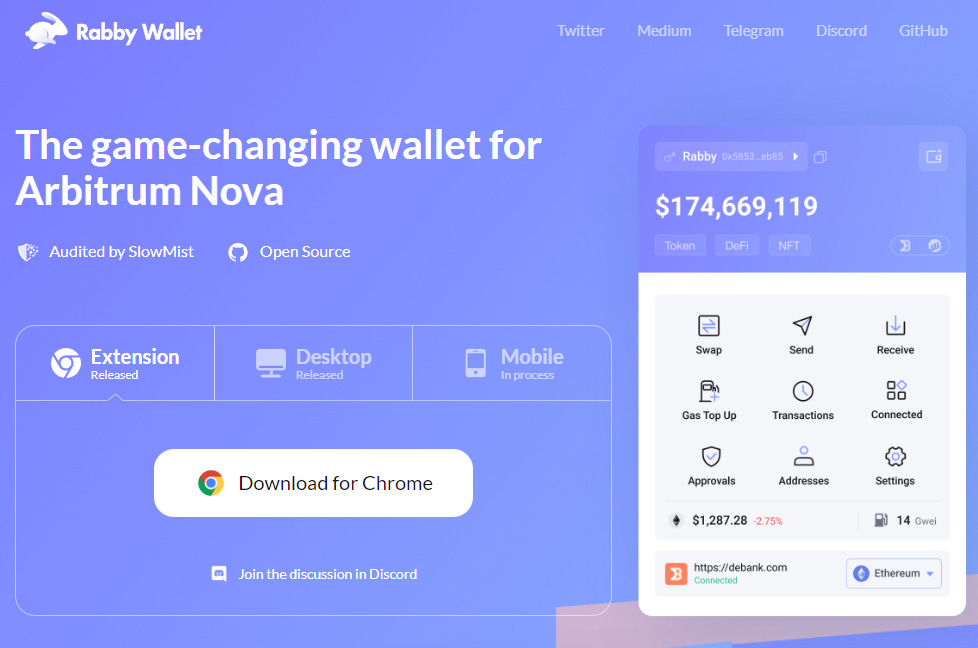
How Rabby approaches multi-chain usability
Check this out—when I tried Rabby, the switch between networks felt intentional and explicit, not accidental or opaque. The extension surfaces chain context in obvious spots, and the approval flow shows token and contract details in a readable way that doesn’t require a crypto glossary. If you want to give it a spin, try a quick rabby wallet download and poke around the approvals UI yourself. I liked that Rabby keeps hardware-wallet flows straightforward while also offering power features for advanced users, though some niche features still feel a bit techy.
Whoa!
One trade-off I noticed: power features can clutter the UI for newcomers, and Rabby sometimes exposes advanced options a bit too quickly. On the other hand the wallet provides sensible defaults and sensible warnings for dangerous approvals, which matters more than polished marketing. Initially I thought this lean toward power would scare new users, but after a few guided prompts it actually educates them—so there’s a net gain in safety if you stick around. That said, the onboarding could be smoother; a few more tooltips would help beginners avoid known traps.
Honestly, here’s what bugs me about the broader space.
Many wallet teams treat multi-chain support as a checkbox: add networks, ship, repeat. The problem is not the list of supported chains; it’s consistent UX across them. On some chains the same app behaves differently because of native token differences or relayer logic, and wallets rarely normalize the mental model for users. I want wallets that teach users the invariant behaviors rather than the incidental ones—things like how approvals persist across chains or how gas tokens change the cost model.
Hmm…
There are small but potent features that make life easier, and some wallets simply miss them. Examples: granular approval revocation in one click, a compact transaction timeline for cross-chain moves, and clear labels when an action triggers a relayer or a third-party service. These sound minor, but they prevent long debugging sessions and frantic forum posts at 2 a.m. (oh, and by the way…) I once spent an hour chasing a failed bridging step that was actually a nonce mismatch masked by a poor error message. Very very annoying.
Seriously?
Designers often forget that DeFi users are human: we make assumptions, get tired, and sometimes click too fast. A good wallet anticipates that human error and designs protective scaffolding that doesn’t feel patronizing. Rabby feels like it was built by people who use wallets daily, not just product managers writing specs from a whiteboard. That practical sensibility shows in the microcopy and the way dialogs are structured, even when some features still require a manual.
Here’s the thing.
If you’re picking a multi-chain wallet, prioritize clarity over bells and whistles. Look for explicit chain context, readable approvals, hardware compatibility, and decent revocation tools. Also test how the wallet behaves with bridging flows and Layer 2s—real-world tasks will expose weak spots fast. I’m biased, but a wallet that nudges you toward safer defaults is worth the slight extra complexity it sometimes adds.
FAQ
Can I use Rabby with hardware wallets?
Yes—Rabby supports hardware wallets and integrates them in a way that keeps private keys offline while letting you approve transactions in the extension; it’s a sensible mix of convenience and security, though you should still verify addresses on the device for high-value moves.
Will a multi-chain wallet protect me from all scams?
No. A wallet can reduce risk by showing clearer approval details and by offering revocation tools, but social-engineering attacks, malicious dApps, and phishing pages still demand user vigilance—use hardware wallets for significant holdings and double-check spender addresses when prompted.