
Whoa! I tried a bunch of crypto extensions last month. The first impression was messy and noisy, but this one cut through the clutter. Initially I thought it would be clunky, but then realized the onboarding actually guides you in plain English and doesn’t assume you’re a chain-native. My instinct said: this could work for normals, though I’m still picky about permissions and little UI quirks that bug me.
Really? The speed caught me off guard. The extension boots fast and signs transactions in a fraction of the time web wallets on other chains take. At first glance the design looks minimalist, but the tradeoffs are deliberate and aimed at reducing mistakes, which is very very important for first-time DeFi explorers. I’m biased toward clean UX, so somethin’ about that simplicity felt reassuring.
Here’s the thing. Setting up the wallet took under five minutes on my laptop. The seed phrase flow is clear and prompts you to store it offline, though the reminder nudges could be stronger for some users. Initially I thought more warning screens would be useful, but actually the balance between friction and speed is probably right for the majority of users who want to transact today. On one hand it’s fast; on the other hand, I still felt a little uneasy about auto-connecting to new dapps until I tightened permission settings.
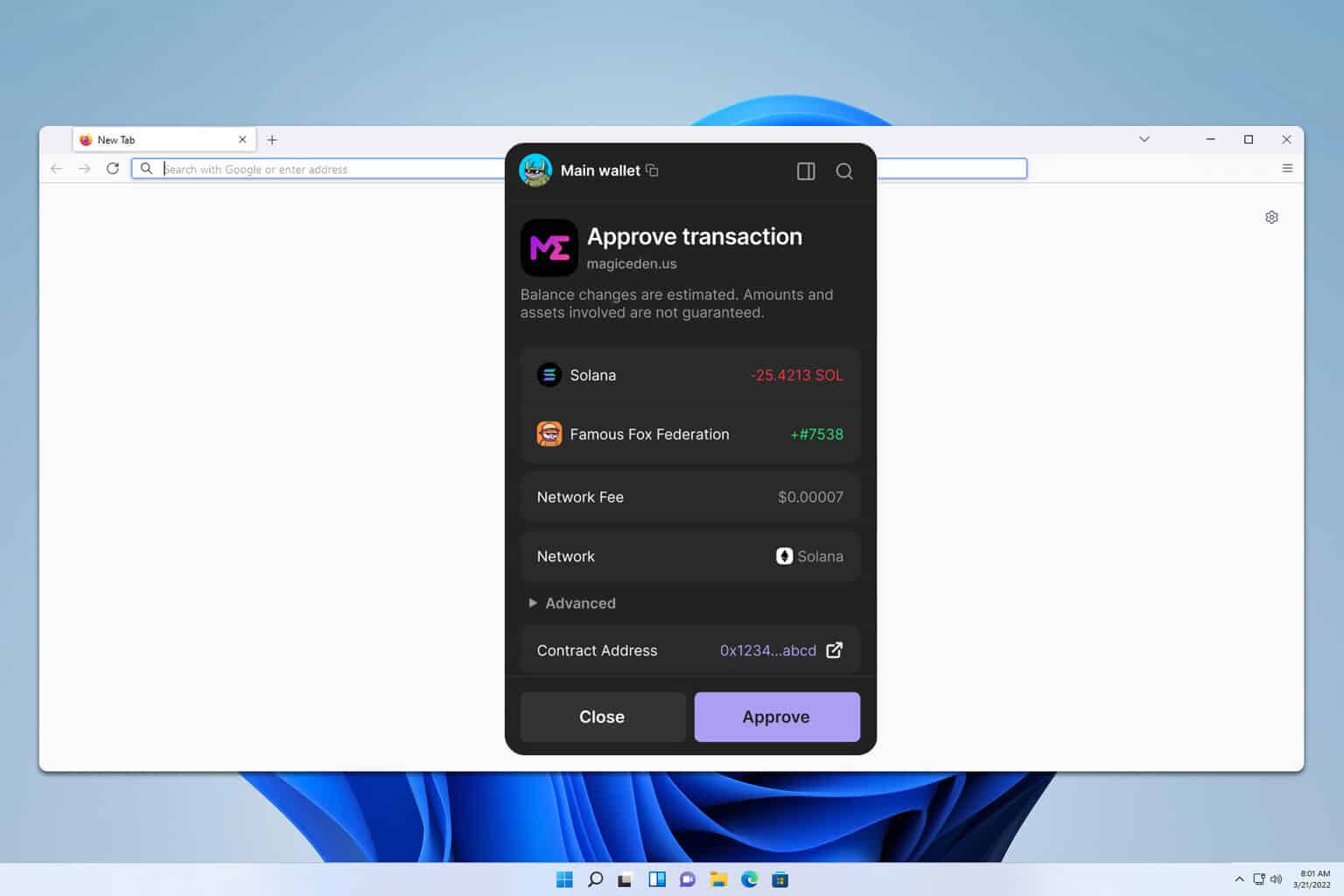
Whoa! Connecting to a DeFi app was almost painless. The connection modal shows what the dapp will see and what actions it requests, which helps avoid surprise approvals. My gut told me to test on a tiny amount first, and that paid off when a token swap failed due to slippage settings I overlooked. I’m not 100% sure every user will do that, which is why a clearer default for slippage might save folks from losing value on tiny trades.
Really? NFTs loaded instantly in my profile. The built-in collector view organizes items by collection and shows metadata without forcing you into a marketplace. I liked that because it prevents accidental listings or impulsive sales—little things matter. On the downside, I noticed image thumbnails sometimes cache oddly and need a manual refresh, which is a small annoyance but it does break immersion when you’re showing off an NFT to a friend.
Whoa! Transaction history felt human-readable. It groups activities logically and labels common actions with friendly names instead of raw instruction codes, which matters if you don’t live in a terminal. Initially I assumed that was just cosmetic, but later I used the clearer labels to spot a potentially duplicated approval and avoided a costly mistake. Actually, wait—let me rephrase that: the UX saved me real U.S. dollars by preventing me from approving the same permission twice, which was a legit relief.
Here’s the thing. Security deserves blunt talk. The extension offers hardware wallet integration, and I tested it with a Ledger. The pairing was straightforward but required a few extra clicks, and that’s good because it adds friction where it matters for safety. On one hand the extension is friendly to casual users; on the other hand it doesn’t hide advanced safety options for power users, though some controls could be easier to discover for non-technical folks.
Whoops—sorry, small tangent. I also tried mobile linking via deep link and it mostly worked. The experience bridges desktop and phone sessions in a way that feels modern, though sometimes the mobile-to-extension handshake times out if your phone sleeps. I’m not 100% sure whether that’s the extension, the mobile OS, or network flakiness, but for me it meant repeating a step which was annoying during a demo to a friend (oh, and by the way they loved the NFT preview). Somethin’ to keep in mind.
Really? The permissions dialogue actually helped me understand allowances. Instead of a cryptic list, it spells out “spend limit” and “view balance” in plain language, which helps you decide whether to approve a dapp. Initially I thought everyone would know what “Approve” meant, but then realized many users conflate approval with payment, which is risky. I’m biased toward better defaults; for example, a temporary approval toggle could be a big win.
Whoa! Recovery options are clear and practical. The backup flow emphasizes writing down your seed phrase and offers a confirm step that checks entries, which reduces mistakes during setup. There is also support for encrypted cloud backups if you want that convenience, though I prefer the offline route and will keep saying so—call me old-school. That said, those cloud options are handy for folks who lose devices often or are perpetually travel-scarred.
Here’s the thing. Integrations with Solana DeFi dapps are robust and growing. I swapped tokens, provided liquidity, and hopped between yield farms without forcing extra approvals each time, which saved steps and gas. Initially I thought cross-dapp identity would be an attack vector, but careful permission scoping reduced that fear in practice. On the flip side, the rapidly evolving DeFi landscape means new patterns of risk emerge, so it’s wise to treat every new integration like an experiment until it’s battle-tested.
Whoa! I found the developer tools helpful when debugging a failed transaction. The logs show exactly which instruction failed and why, which made troubleshooting far less painful than it usually is. The average user won’t use that, but it’s an indispensable feature for advanced hobbyists and builders, and it signals to me that the team cares about both ends of the user spectrum. Honestly, those little signals of care matter when trust is being earned slowly.
Really? Fees on Solana stayed negligible while I tested bunches of micro-transactions. That lower friction opens a different user behavior pattern: more experimentation and smaller trades. Initially I worried low fees could lead to reckless trading, though actually lower costs let me test dapps and learn without fearing a $20 failed tx. There’s a behavioral economics angle to that which excites me and unnerves me at the same time.
Here’s the thing about privacy. The extension reveals fewer on-chain links to external analytics by default than some competitors, which is a mild privacy win. That said, connecting to a dapp still reveals wallet balances on-chain, so privacy is never perfect—blockchains are public ledgers after all. I kept thinking maybe some privacy-by-default setting would help, though there’s a tradeoff between usability and hiding too much detail when dapps legitimately need balances to show offers.
Whoa! Customer support surprised me. I opened a ticket for a sync issue and received a helpful human reply that walked me through steps, not just cookie-cutter links. That felt different from many crypto apps where you get a bot and a FAQ loop that never resolves the real problem. I’m not 100% sure it’ll be fast at scale, but the current tone of support signals a product team that listens.
Really? I have caveats. Some advanced security flows could use clearer in-line education for novices, and certain warning modals feel too easy to dismiss. Initially I thought users would read every prompt, but people fast-swipe on mobile and click through on desktop, so the UX must assume low attention. My suggestion: tighten the defaults for risky approvals and add clearer microcopy that explains real consequences without sounding like a panic alert.
Here’s my practical recommendation. If you want to try a polished Solana browser experience that balances speed, ease, and reasonable security, give this extension a spin and start with a tiny amount of SOL. Connect hardware for bigger balances and always write down your seed phrase offline. If you’re curious, check out phantom for the official install path and details—it’s where I started my tests.
Whoa! Final thought: wallets are bridges, not destinations. The extension I used made bridging feel safer, but bridges still require vigilance and learning. I’m excited about where Solana wallets are going, though some parts still bug me and likely will for a little while as the ecosystem matures. Honestly, I’m invested in seeing better defaults for users because that will bring more people into useful DeFi without exposing them to needless risk.
Quick FAQs From My Testing
Is this safe to use for everyday transactions?
Short answer: mostly, if you follow basic precautions like using small test amounts, enabling hardware wallets for large balances, and keeping your seed phrase offline; the extension itself implements standard safety features but the human element is often the weakest link.
Can I recover my wallet if I lose my device?
Yes — recovery via seed phrase works as usual, and there are optional encrypted backups for convenience; still, write down the phrase and store it in a secure place because relying solely on cloud backups adds another trust dependency.